If you searched for reality tv the swan, the short answer is that The Swan was an early-2000s makeover competition built around cosmetic surgery, coaching, and a beauty pageant finale. It is remembered less as a simple transformation show and more as a reality TV experiment that turned insecurity, beauty standards, and medical procedures into prime-time entertainment.
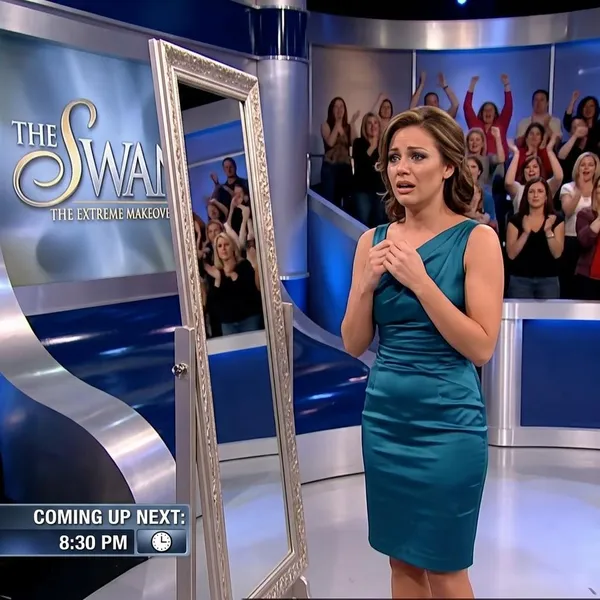
What was The Swan reality show?
The Swan was an American reality series that aired on Fox in the early 2000s. The format followed women who wanted major changes to their appearance and put them through a highly controlled makeover process before revealing the results on television.
An extreme makeover reality competition
The Swan took the emotional makeover format and added a competitive ending. Contestants were not only shown as people going through personal change; they were also placed into a system where the "best" transformation could be selected and rewarded.
That competition angle matters if you are comparing it with gentler shows from the same era. A wardrobe makeover can end with a feel-good reveal. The Swan pushed the viewer to compare women against one another, which made the format feel sharper and more uncomfortable.
A full physical and personal transformation program
The show presented the process as a total reset: face, body, teeth, styling, fitness, posture, and confidence were all treated as parts of one transformation plan.
- Physical changes: surgery, dental work, fitness, and styling.
- Presentation changes: posture, clothing, makeup, and pageant preparation.
- Emotional framing: personal insecurity was used to explain why the makeover mattered.
A beauty pageant built around the final makeovers
The final pageant was not a side detail; it shaped the whole meaning of the show. Contestants were transformed, revealed, styled, and then judged in a public beauty competition.
That ending is one reason the series still draws criticism. A process presented as personal empowerment finished with comparison, ranking, and a stage-ready beauty standard.
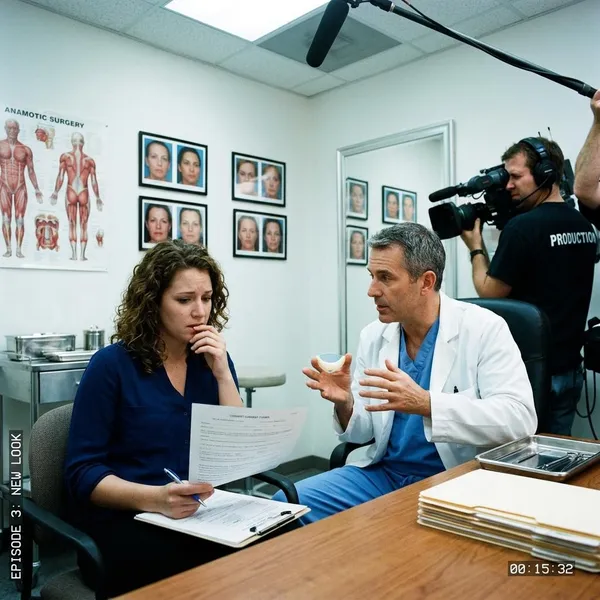
How did The Swan work?
The show worked like a tightly managed transformation pipeline. Contestants were selected, assessed by specialists, taken through planned procedures and training, kept away from mirrors for much of the process, and then revealed in a dramatic before-and-after moment.
Contestants were evaluated by makeover experts
Each contestant was assessed by a team that could include surgeons, dentists, trainers, stylists, and coaches. On screen, this looked like professional support, but it also meant ordinary features were often discussed as flaws to be fixed.
This stage set the tone for the rest of the episode. The more severe the "before" diagnosis looked, the more dramatic the final reveal could feel.
They underwent surgery, fitness, and coaching
Contestants then followed individualized makeover plans. These could include cosmetic procedures, dental work, exercise routines, diet guidance, styling, and coaching for confidence or stage presence.
The uncomfortable part is the way very different things were packaged together. A haircut, a workout plan, and surgery do not carry the same risk or permanence, but the show treated them as parts of one entertainment-friendly transformation.
The transformations ended with a final reveal and pageant
The reveal gave the show its emotional payoff: contestants saw their new appearance, family reactions were captured, and the audience was invited to treat the change as life-altering.
- Introduction: the contestant's insecurity and backstory were established.
- Expert plan: specialists decided which changes would create the transformation.
- No-mirror process: suspense was built while the contestant recovered and trained.
- Reveal and pageant: the makeover became a public performance and judgment.
What made The Swan different from other makeover shows?
The Swan stood out because it moved the makeover genre from styling and confidence into medicalized transformation. Many makeover shows changed how someone presented themselves; this one changed faces and bodies as part of the main format.
Cosmetic surgery was central to the transformation
Cosmetic surgery was not an occasional twist on The Swan. It was one of the show's main selling points and one of the reasons the before-and-after reveals looked so dramatic.
| Type of change | Why it mattered on the show | Why viewers questioned it |
|---|---|---|
| Styling and makeup | Created a polished reveal | Low-risk, but still tied to narrow beauty ideals |
| Fitness and coaching | Supported the transformation storyline | Could add pressure to perform confidence quickly |
| Surgery and dental work | Delivered the most visible changes | Involved medical risk, recovery, and long-term consequences |
Contestants could not see themselves during the process
One of the show's most memorable rules was that contestants were often kept away from mirrors. For producers, this made the reveal more dramatic. For contestants, it meant adjusting to major changes without seeing the gradual process.
That detail may sound like a clever TV device, but it is also one of the clearest signs that the format prioritized the final reaction. A low-risk makeover might use surprise for fun; with surgery and recovery involved, the same device feels much more loaded.
Makeovers were turned into a competition
The pageant structure turned personal change into a winner-loser event. Contestants were not simply asked whether they felt better; they were compared by appearance, presentation, and stage performance.
That is what separates The Swan from many other makeover programs. It did not just ask viewers to admire a transformation. It asked them to decide whose transformation counted more.
Why was The Swan controversial?
The backlash came from the combination of body image, surgery, emotional vulnerability, and public judgment. Any one of those would have raised questions. Together, they made the show feel extreme even by reality TV standards.
Its narrow beauty standards drew criticism
The show often moved contestants toward a similar pageant-ready look: slimmer, polished, symmetrical, styled, and conventionally feminine. Individual differences were less important than fitting the final beauty ideal.
For viewers who already felt pressure about their looks, that message could land badly. Instead of widening the idea of beauty, the show appeared to say that confidence came from becoming closer to one approved template.
Cosmetic surgery became part of reality TV entertainment
The Swan made cosmetic surgery part of a weekly transformation storyline. The screen time naturally favored planning, suspense, and reveal, while the harder realities of surgery could never be shown with the same depth.
- Recovery can be minimized on TV: swelling, pain, and healing are less dramatic than a final reveal.
- Risk can feel abstract: the format focused on results more than medical uncertainty.
- Cost and access disappear: viewers saw a packaged makeover, not ordinary real-life barriers.
The competition added pressure to personal transformations
The contest element made an already sensitive process more intense. Contestants were filmed while changing their bodies, recovering, learning to present themselves differently, and preparing to be judged.
In a private setting, someone might choose a cosmetic procedure, take time to heal, and decide quietly how they feel about the result. On The Swan, that private adjustment was compressed into a televised narrative with an audience waiting for a reaction.
How is The Swan viewed today?
Today, The Swan is usually viewed as a relic of early reality TV culture rather than an aspirational makeover show. It is remembered because it pushed a familiar format into a more ethically complicated place.
As a product of early makeover TV culture
Early makeover TV loved expert intervention, dramatic reveals, and the idea that a person could become a better version of themselves through visible change. The Swan followed that formula but intensified nearly every part of it.
That context helps explain why the show aired at all. Television at the time often rewarded big emotional arcs and obvious before-and-after images, even when the subject matter deserved more care.
As an example of changing beauty standards
The show now looks like a snapshot of a more rigid beauty moment. Modern audiences are more likely to question who defines "improvement," whose features are treated as flaws, and why confidence was tied so tightly to appearance.
Beauty pressure has not disappeared; it has shifted. A viewer comparing The Swan with social media filters, injectables, or viral makeover trends may notice the same basic tension in a newer form: the promise that looking different will solve deeper discomfort.
As one of reality TV's most controversial experiments
The Swan is still discussed because it combined real procedures, emotional vulnerability, restricted self-viewing, and public ranking in one format. Few reality shows made the mechanics of transformation feel so stark.
Its legacy is less about who won and more about what the format exposed. It showed how easily reality TV could turn personal insecurity into a structured spectacle when ratings, reveals, and competition were placed first.
Conclusion
The Swan remains memorable because it took the makeover promise to an extreme: change the body, control the reveal, then judge the result. For a casual viewer, it may look like a strange artifact from early reality TV; for anyone thinking about beauty culture, it is a clear reminder that "transformation" can become harmful when personal worth is measured by public approval.