If you are revisiting the flavor of love reality tv show, the main thing to know is that it was less a conventional love story and more a loud, cast-driven VH1 event. Flavor Flav dated contestants through challenges, mansion drama, nicknames, and eliminations, but the show's real staying power came from the personalities it launched and the moments fans still quote.

How Flavor of Love worked
Flavor of Love followed a simple dating-competition setup: a group of women lived together, competed for time with Flavor Flav, and faced eliminations until one winner remained. The show ran for three seasons, with Nicole "Hoopz" Alexander winning season one, Chandra "Deelishis" Davis winning season two, and Tresha "Thing 2" winning season three.
Contestants lived together
The mansion was not just a backdrop. It was where jealousy, alliances, gossip, and arguments built between the official dates. For a first-time viewer, the house scenes often explain more about the season than the romantic conversations do, because they show who can handle pressure and who turns every slight into a storyline.
That setup also made small moments feel bigger. A bedroom comment, a breakfast argument, or someone bragging after a date could shift the mood of the whole house before Flavor Flav even appeared.
Challenges led to dates
Challenges gave contestants a way to stand out beyond flirting. Some tasks were silly, some were uncomfortable, and some clearly existed to spark reactions, but they all served the same purpose: create a reason for Flavor Flav to reward someone with more private time.
Eliminations narrowed the group
Eliminations were the show's weekly payoff. Flavor Flav chose who stayed, contestants reacted in real time, and the house had to reset around a smaller group.
The later eliminations mattered more because the cast had already formed grudges and expectations. That is where the show shifted from random chaos to personal disappointment, especially when someone thought she had a stronger connection than Flavor Flav seemed to believe.
Finalists competed for Flavor Flav
Near the end of each season, the show usually leaned more heavily into one-on-one time. The finalists had to show that they were more than a nickname, a rivalry, or one memorable scene.
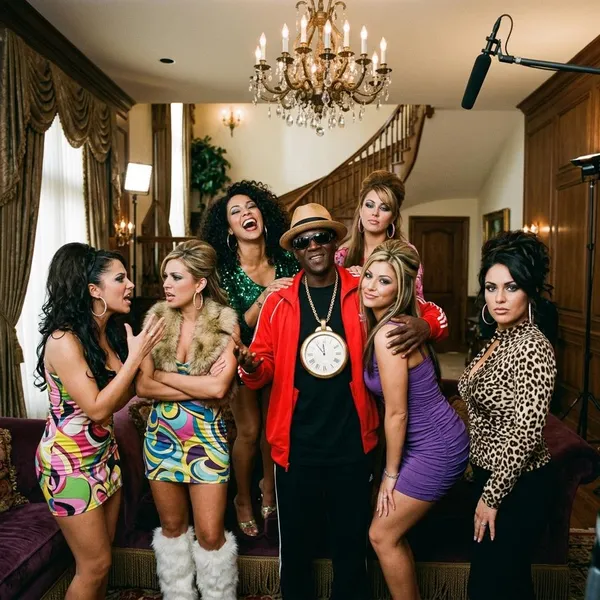
Most memorable Flavor of Love contestants
The cast is the biggest reason the show stayed in pop culture. Some contestants are remembered because they won, but others became unforgettable because they understood reality TV better than almost anyone around them.
Tiffany "New York" Pollard
Tiffany Pollard, known as New York, became the breakout star of the franchise even though she did not win. Her timing, confidence, reactions, and willingness to confront anyone made her impossible to ignore.
Her importance goes beyond one season. She turned a supporting role into a career-defining reality persona, later leading I Love New York and becoming a long-running source of memes, reaction clips, and reality TV references.
Nicole "Hoopz" Alexander
Nicole "Hoopz" Alexander won the first season and stood out because she often felt calmer than the house around her. In a cast full of conflict, that made her seem more grounded and helped her win without needing to dominate every argument.
Chandra "Deelishis" Davis
Chandra "Deelishis" Davis won season two, one of the franchise's most remembered seasons. She brought glamour and confidence, but her run also worked because she built momentum across the season rather than relying on a single shocking moment.
For viewers comparing the winners, Deelishis is often the one who feels most closely tied to the show's peak VH1 era: dramatic enough for the format, but polished enough to make the final choice feel competitive.
Brooke "Pumkin" Thompson
Brooke "Pumkin" Thompson is remembered mostly for her confrontation with New York, especially the infamous spitting incident. It is not a flattering kind of fame, but it is a clear example of how one reality TV moment can outlive an entire season.
Her role also shows the difference between winning the show and becoming part of its legacy. Pumkin did not need the final episode to remain part of the conversation; the controversy did that for her.
Schatar "Hottie" Sapphira
Schatar "Hottie" Sapphira gave the series some of its strangest and most theatrical energy. Viewers could never be completely sure whether she was being sincere, performing for attention, or doing both at once, which made her scenes unusually memorable.
Why Flavor of Love became so popular
Flavor of Love became popular because it combined a simple dating-show structure with a cast that behaved like reality TV knew it had entered a louder era. The romance gave the show a reason to exist, but the arguments, confessionals, reunions, and catchphrases gave people reasons to keep talking.
Flavor Flav's larger-than-life personality
Flavor Flav gave the show its strange center of gravity. He was playful, unpredictable, and already famous, so the series never felt like a standard dating contest with a generic lead.
That mattered because the show was not trying to sell polished romance. It worked best when it felt funny, awkward, chaotic, and slightly self-aware all at once.
Memorable contestant rivalries
The rivalries turned individual episodes into ongoing storylines. New York's conflicts with other contestants are the clearest example, but the larger pattern was just as important: once two contestants disliked each other, every challenge, date, and elimination carried extra tension.
- For drama-focused viewers: the rivalries are the main reason to watch full episodes.
- For pop culture fans: the feuds explain why short clips still circulate years later.
- For reality TV history: the conflicts show how VH1 built recurring characters out of contestants.
Chaotic challenges and eliminations
The challenges were rarely elegant, and that was part of the point. They created awkward situations, rewarded big reactions, and gave the cast something new to argue about before the elimination.
The eliminations then made the chaos feel consequential. Someone always had to leave, and the exit reactions often became as memorable as the challenge itself.
Dramatic reunion episodes
The reunion episodes mattered because they let the cast respond to what viewers had already seen. Old arguments came back, controversial moments were challenged, and contestants had a fresh stage for unfinished business.
If you only watch selected clips, reunions are often the fastest way to understand the show's energy. They compress the season's biggest tensions into one room, sometimes with even more intensity than the original episodes.
Highly quotable reality TV moments
The show lasted in memory because so many scenes worked outside their original episodes. Lines, facial expressions, insults, and reaction shots became easy to quote and share, especially as online clip culture grew.
That is a big difference between a show that was merely popular while airing and one that keeps finding new viewers. Flavor of Love produced moments that still make sense as standalone reality TV chaos.
Shows that followed Flavor of Love
The show's success helped VH1 build a connected reality universe. Contestants were no longer treated as one-season participants; the strongest personalities could return in spin-offs, competition shows, and reunion-style formats.
I Love New York
I Love New York was the most obvious spin-off because Tiffany Pollard had already become bigger than a normal contestant. VH1 simply reversed the power dynamic: instead of competing for Flavor Flav, New York became the person contestants competed for.
The show worked because viewers already knew what they wanted from her. They expected confidence, conflict, sharp reactions, and emotional extremes, and the spin-off gave her a format built around those strengths.
Flavor of Love Girls: Charm School
Flavor of Love Girls: Charm School reused familiar contestants in a new setting focused on behavior, image, and personal improvement. The hook was different from dating, but the appeal still came from watching strong personalities clash.
For returning fans, this was a smart bridge between nostalgia and fresh drama. The cast already had reputations, so the question became whether anyone could change how viewers saw them.
I Love Money
I Love Money pushed the VH1 crossover idea further by bringing contestants from multiple shows into a cash-prize competition. Romance was no longer the point; strategy, alliances, and recognizable personalities carried the format.
Its existence shows how flexible the Flavor of Love model became. Once viewers cared about the people, VH1 could move them into almost any reality setup and still keep an audience.

Why Flavor of Love still matters
Flavor of Love still matters because it helped define what mid-2000s VH1 reality TV looked and sounded like: celebrity-led, cast-heavy, dramatic, funny, and built for replayable moments. It is not a perfect show to revisit uncritically, but it is a useful one if you want to understand how reality TV moved toward bigger personalities and franchise-style casting.
Helped define VH1 dating reality
VH1 used Flavor of Love to sharpen a formula that became closely associated with the network: a recognizable celebrity lead, a highly expressive cast, nicknames, conflicts, eliminations, and reunions that felt like major events.
That formula was not subtle, but it was effective. It gave VH1 a style viewers could identify almost immediately, which is why the show is still linked so strongly to that era.
Turned contestants into reality stars
The show proved that contestants could become more valuable than the original premise. New York is the clearest case, but several cast members stayed recognizable because the series gave them strong identities, not just screen time.
Inspired more celebrity dating shows
The success of Flavor of Love made celebrity dating formats feel more commercially possible, especially when the celebrity had a strong public persona. The lead did not need to fit a polished romantic ideal; the lead needed to be watchable.
That lesson carried into later reality programming. The more distinctive the central figure, the easier it became to build a dating show around curiosity, comedy, and conflict.
Created moments fans still revisit
Some shows need full episodes to explain their appeal. Flavor of Love can be understood through a handful of clips because its biggest reactions and confrontations still work in short form.
That replay value keeps the show alive for different types of viewers: longtime fans rewatch the scenes they remember, while newer viewers discover the cast through memes, reaction videos, and reunion moments before deciding whether to watch full seasons.
Conclusion
Flavor of Love is worth revisiting less as a love story and more as a turning point in reality TV personality culture. The winners matter, but the real legacy is the cast, the spin-offs, the reunions, and the scenes that still feel instantly recognizable; just watch it with some awareness that the same spectacle that made it entertaining also makes parts of it feel very dated now.