If you are trying to place The Real World in reality TV history, the useful answer is this: it did not invent unscripted television, but it made the modern version feel recognizable. The show turned strangers, shared housing, confessionals, social tension, and real-life identity issues into a repeatable format that later reality shows kept borrowing.
What was The Real World
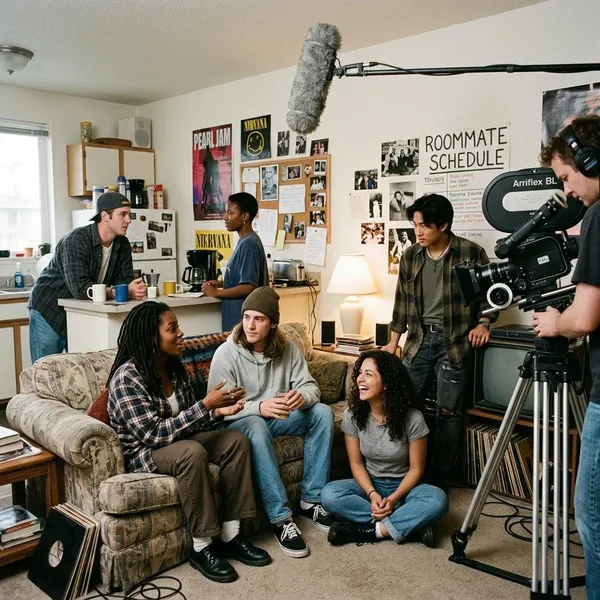
The Real World was an MTV reality series built around a simple pressure test: put young strangers in one home, film their daily lives, and let personality, attraction, conflict, and awkwardness do the work. Its importance comes less from one single twist and more from how cleanly it packaged real people into ongoing television drama.
Seven strangers living together on camera
The core setup was seven strangers sharing a home while cameras followed their routines, arguments, friendships, and private reactions. The cast did not need a scripted plot because the living arrangement created its own problems: privacy, chores, romance, jealousy, class differences, politics, and clashing habits.
If you are used to newer reality shows, this is the first thing to notice. The drama often starts small: a rude comment, a messy room, a tense dinner, a flirtation that makes the house uncomfortable. The show helped prove that those ordinary moments could become weekly television when viewers cared about the people involved.
MTV's 1992 New York debut
The series premiered on MTV in 1992 with a New York cast, which mattered because MTV already had a direct line to younger viewers. A shared loft, a youth-focused network, and a cast trying to figure out adulthood gave the show a cultural edge that a more formal documentary slot would not have had.
The New York setting also established a reality TV idea that still works: the home is both a living space and a production space. Viewers see a couch, kitchen, bedroom, or hallway, but those places also become stages where unresolved tension keeps returning.
Bunim and Murray's docu-soap format
Mary-Ellis Bunim and Jon Murray shaped the show as a docu-soap, not a neutral documentary. That meant real footage was edited with episode arcs, emotional buildup, recurring conflicts, and direct interviews that helped the audience understand what each person thought had happened.
Was The Real World the first reality TV show
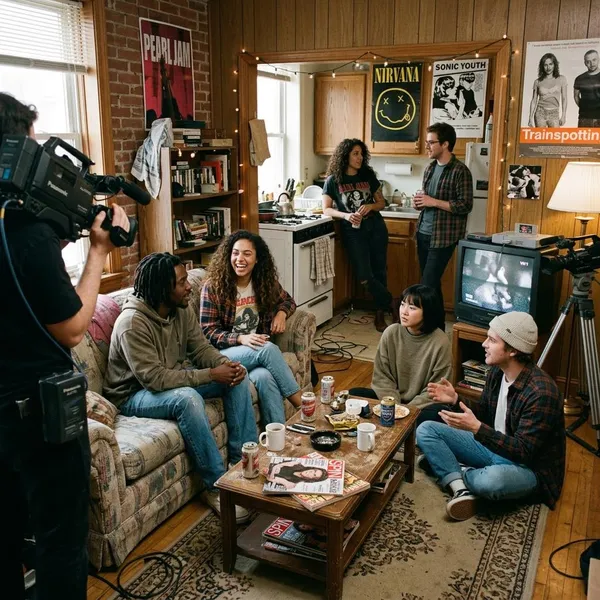
The Real World was not the first reality TV show, and calling it the first usually oversimplifies the history. The better way to judge it is by influence: earlier programs proved audiences would watch real people, while The Real World helped define the house-based, personality-driven, confessional-heavy version that became mainstream.
Unscripted television existed before The Real World
Unscripted television had been around for decades before MTV launched the show. Programs such as Candid Camera, documentary series, news-based formats, Cops, and America's Funniest Home Videos all used real people or real events in different ways.
An American Family was an important earlier precursor
An American Family, the 1973 PBS series about the Loud family, is one of the clearest earlier precursors. It showed domestic life, family tension, and personal conflict with a level of access that felt unusually intimate for its time.
The Real World helped define the modern reality TV format
The show's bigger claim is not "first ever," but "format-defining." It brought together several pieces that now feel standard:
- Contrasting cast members chosen for chemistry, friction, and different life experiences.
- A shared setting that forced repeated interaction instead of one-off encounters.
- Confessional interviews that turned private reactions into part of the story.
- Serialized editing that made daily life feel like an unfolding season.
How The Real World changed reality TV
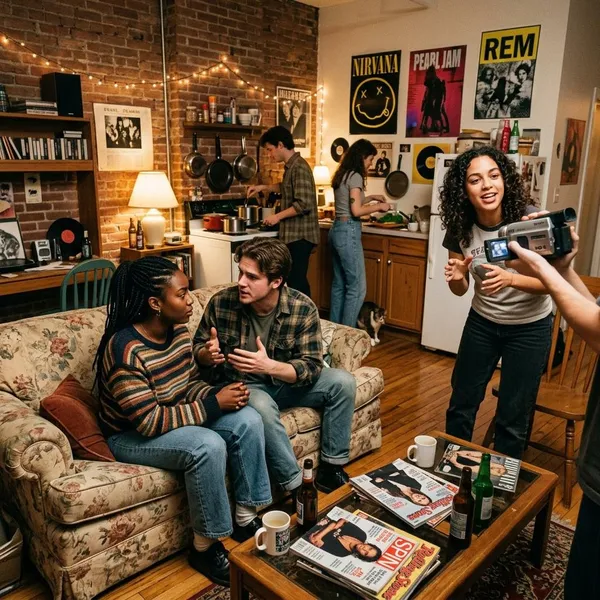
The Real World changed reality TV by giving producers a durable engine: cast for contrast, keep people close, ask them to explain themselves, and let unresolved emotional tension carry viewers into the next episode. That sounds obvious now because so many later shows absorbed the lesson.
Casting strangers created built-in conflict
Putting strangers together made conflict likely without needing a written plot. People arrived with different backgrounds, politics, habits, ambitions, and ideas about respect, then had to share bathrooms, bedrooms, kitchens, and social space.
This was not random casting in the casual sense. The show worked best when the mix created believable friction: one person wanted emotional honesty, another avoided confrontation; one saw a joke as harmless, another heard it as prejudice. Those differences gave the show its narrative fuel.
Confessionals became part of the storytelling
Confessionals gave cast members a second space to speak. A viewer could watch an argument, then hear each person explain what hurt, what felt unfair, or what they were not ready to say in the room.
That device became one of reality TV's most useful shortcuts. It clarifies messy scenes, builds sympathy, creates irony, and sometimes exposes the gap between what someone says publicly and what they thinks privately.
Shared-house life became serialized drama
The shared house made consequences hard to avoid. A fight at night could still be sitting at the breakfast table the next morning. A romance did not simply end when a scene ended, because everyone involved had to keep crossing paths.
- Small conflict: a comment or habit irritates someone.
- Repeated contact: the same people keep meeting in the house.
- Group reaction: friends take sides or try to mediate.
- Season arc: the issue becomes part of how viewers understand the cast.
Real social issues became part of entertainment
The show's more serious influence came from treating social issues as part of ordinary life rather than separate public-service topics. Race, sexuality, class, religion, HIV/AIDS, and identity entered the show through house relationships, not through a formal lecture format.
That made the conversations more accessible, especially for younger MTV viewers. The trade-off is worth noticing: the show could open important discussions, but it was still entertainment edited for television. The strongest moments came when the human stakes were clear and the editing did not flatten the issue into a simple fight.
The Real World's biggest cultural impact
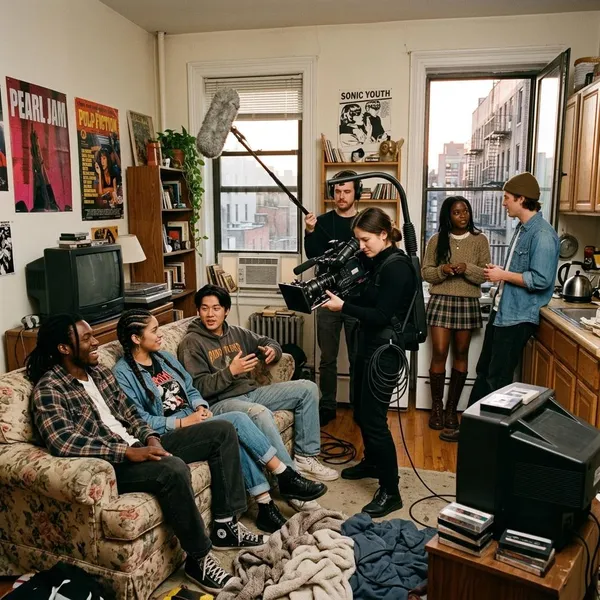
The show's cultural impact was not only about format. It put young viewers in front of people and conversations they might not have encountered in their own homes, schools, or friend groups. Sometimes that meant uncomfortable conflict; sometimes it meant visibility that was rare on mainstream television at the time.
Pedro Zamora and HIV/AIDS awareness
Pedro Zamora's season on The Real World: San Francisco remains one of the franchise's most important moments. As a young gay man living with HIV, he helped many viewers see the AIDS crisis through a person's daily life rather than only through fear, headlines, or statistics.
His impact came from specificity. Viewers saw him educate housemates, deal with stigma, build relationships, and live with dignity on a mainstream platform. For someone studying why the show mattered culturally, Pedro is not a side note; he is one of the strongest examples.
Race and identity conversations on camera
The Real World often brought race and identity into direct conversation because the cast members did not arrive with the same assumptions. That setup could produce defensive arguments, real learning, awkward silences, and moments where viewers had to sit with discomfort rather than receive a neat lesson.
LGBTQ+ stories reaching young mainstream audiences
The franchise gave LGBTQ+ cast members visibility on a network watched by young mainstream audiences. That mattered at a time when queer people were still far less common in regular television casts, especially as full participants in everyday stories rather than symbolic guest appearances.
How The Real World influenced later reality shows
Later reality TV borrowed from The Real World because its tools were flexible. You can add competition, dating, luxury, travel, celebrity, or social experiments, but the same basic mechanics still work: strong personalities, forced proximity, private commentary, and conflicts that stretch across episodes.
Ensemble casts living together
House-based ensemble casting became one of the genre's most reusable ideas. Shows about partying, dating, competition, or social experiments all benefit from the same pressure: shared space makes every relationship harder to ignore.
Confessional-driven storytelling
Confessionals became so common that many viewers barely notice them anymore. Dating shows use them for insecurity and attraction, competition shows use them for strategy, and lifestyle shows use them for jokes, judgment, and reaction.
Personality conflicts shaping entire seasons
The Real World helped prove that personality conflict could be more than filler. A clash over values, loyalty, attraction, or respect could become the season's spine if the people involved kept interacting and changing their positions.
Cast members returning across reality franchises
The franchise also helped show that reality cast members could have lives beyond one season. Alumni moved into related shows such as Road Rules and The Challenge, creating a kind of early reality TV universe where viewers followed familiar personalities over time.
Conclusion
The Real World matters most because it made reality TV feel repeatable: strangers in close quarters, private interviews, unresolved tension, and real social issues shaped into a season people wanted to follow. It was not the first unscripted show, but if you want to understand why so much modern reality TV still depends on casting, confessionals, and house pressure, this is one of the clearest places to look.