The bruce springsteen movie trailer points to a smaller, darker kind of music biopic: not a greatest-hits sprint through his career, but a close look at the making of Nebraska. The main things to watch for are Jeremy Allen White's restrained version of Springsteen, the pressure around the 1982 recordings, and how the film connects the album's stark sound to family memory, fame, and artistic risk.
What is the Bruce Springsteen movie trailer about
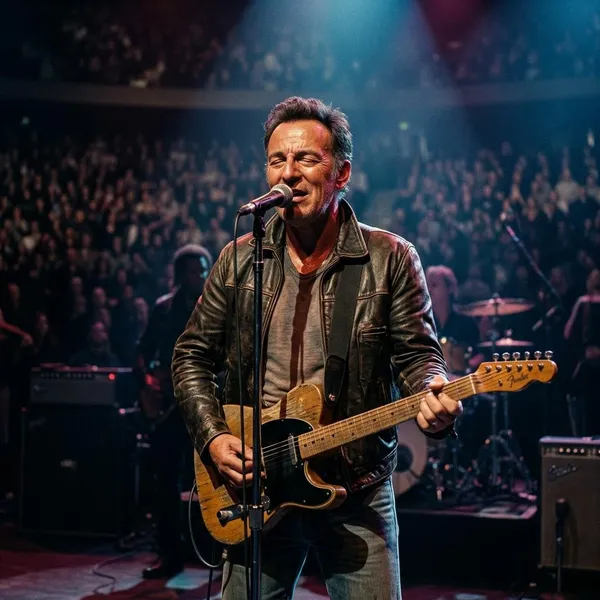
The trailer for Springsteen: Deliver Me from Nowhere is about one unusually tense chapter in Bruce Springsteen's life: the period around Nebraska. If you are expecting a big-stage celebration of "The Boss," the preview suggests something more private, with the drama coming from isolation, memory, and the decision to make a record that did not sound like the obvious commercial next move.
The making of the Nebraska album
Nebraska is the center of the trailer, not just background music for the story. The footage leans into the album's rough, intimate feeling: quiet rooms, spare recording choices, and songs that sound closer to confession than performance.
- What to notice: the movie seems more interested in the mood behind the record than in studio glamour.
- Why it matters: Nebraska works as drama because it was a strange, brave choice for an artist becoming more visible.
- Common mistake: judging the film as if it were about Springsteen's entire career, when the trailer is clearly narrowing the lens.
Springsteen at a turning point in his career
The trailer places Springsteen at a career crossroads. He is not shown as an unknown artist trying to break through; he is shown as someone already carrying expectations and deciding whether to go bigger or go deeper.
That makes the film more interesting than a standard rise-to-fame story. The stakes are not "will he become successful?" but "what does he do when success starts asking him to become easier to sell?"
His partnership with manager Jon Landau
Jon Landau appears to be one of the trailer's stabilizing figures. Rather than looking like a stock music-business character, he seems positioned as the person who understands both Springsteen's instincts and the cost of following them.
That relationship gives the film a practical anchor. In a story about a private creative decision, Landau can show what has to be protected, explained, or defended once the music leaves the room.
His struggle with fame and his past
The trailer suggests that fame does not solve Springsteen's inner conflict; it sharpens it. The public version of Bruce is growing, while the film's private Bruce appears pulled back toward family history, old wounds, and the darker emotional material that feeds Nebraska.
This is where the movie may work best for two different viewers. Longtime fans can read the Nebraska references more deeply, while newcomers can still follow the human story of someone trying to make honest work while carrying unresolved personal weight.
Who appears in the Deliver Me from Nowhere trailer
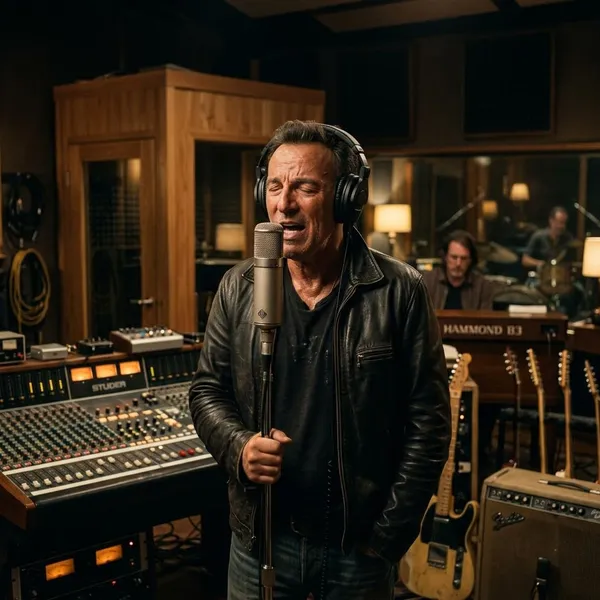
The trailer introduces the people who seem most important to Springsteen's world during the Nebraska period: his manager, his father, a close technical collaborator, and a personal relationship outside the business side of music. That mix matters because it keeps the film from becoming only a recording-room story.
Jeremy Allen White as Bruce Springsteen
Jeremy Allen White carries the trailer with a performance that looks inward rather than showy. He is not playing Springsteen as a nonstop stage icon; he is playing a man in a specific creative crisis.
That is a smart fit for this era. A broad impersonation might work in a concert-heavy biopic, but Nebraska needs stillness, guardedness, and the sense that the character is listening to something uncomfortable inside himself.
Jeremy Strong as Jon Landau
Jeremy Strong's Jon Landau comes across as calm, watchful, and important to Springsteen's decision-making. The trailer does not frame him as a manager who simply pushes for sales; he looks more like a trusted interpreter of what Bruce is trying to do.
Stephen Graham as Douglas Springsteen
Stephen Graham appears as Douglas Springsteen, Bruce's father, and the trailer gives that relationship real emotional charge. Even brief glimpses suggest tension rather than easy biography.
For viewers who do not know Springsteen's family history, this is a section of the trailer worth watching closely. Douglas seems to represent the past that the film believes is still active in Bruce's music, especially in the darker atmosphere surrounding Nebraska.
Paul Walter Hauser as Mike Batlan
Paul Walter Hauser plays Mike Batlan, Springsteen's guitar tech. His role appears to bring the story down to the practical level: equipment, workrooms, small observations, and the people close enough to see the process without turning it into myth.
That kind of character can be easy to overlook in a trailer, but it often helps a music film feel lived-in. Not every meaningful moment happens in a dramatic argument or on a stage.
Odessa Young as Faye
Odessa Young's Faye is shown less clearly than Landau or Douglas, so it is better not to overread the trailer. Her presence appears to open a more personal side of Springsteen's life, giving the film space away from career pressure and family conflict.
If the movie handles that thread carefully, Faye could help show what Bruce is like when he is not defending an album choice or confronting the past. That is useful in a quiet character study, where small private scenes can reveal more than big speeches.
What does the trailer show about Jeremy Allen White as Springsteen
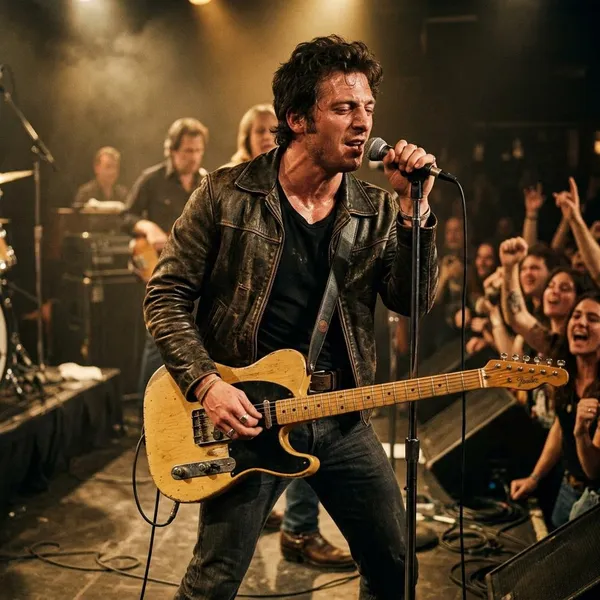
The trailer shows Jeremy Allen White aiming for a precise version of Springsteen rather than a general celebrity imitation. The performance looks built around the Nebraska era: tired eyes, contained energy, a guarded voice, and a sense that the biggest conflict is happening before the song ever reaches an audience.
His Springsteen look and mannerisms
The look is convincing because it is not only costume. White seems to focus on posture, pauses, and the way Springsteen holds himself when he is not performing. Those details matter more here than a perfect facial match.
- Works well: the early-1980s styling and physical restraint.
- Worth watching: whether the full film keeps the mannerisms subtle or starts underlining them too heavily.
His own vocals as Springsteen
The trailer indicates that White's vocal performance is part of the portrayal, though viewers should be careful about assuming exactly how every music scene is handled from trailer footage alone. What matters from the preview is that the singing and acting feel connected, not pasted together.
That choice suits Nebraska. These songs do not need arena polish in this context; they need tension, closeness, and a voice that feels tied to the character's emotional state.
His quieter take on the rock star
White's Springsteen is noticeably quiet, and that looks intentional. The trailer avoids the easy version of Bruce as all swagger and command, choosing instead a man who appears withdrawn, alert, and unsure of what fame is doing to him.
His performance during the Nebraska era
The strongest sign in the trailer is that White seems to be playing one chapter, not compressing every famous Springsteen trait into one performance. That gives the role a cleaner shape.
A full-life biopic often has to jump from milestone to milestone. This trailer suggests a narrower performance built around 1982, where the drama is less about public triumph and more about choosing a difficult, unvarnished sound.
How is the Bruce Springsteen movie based on a true story
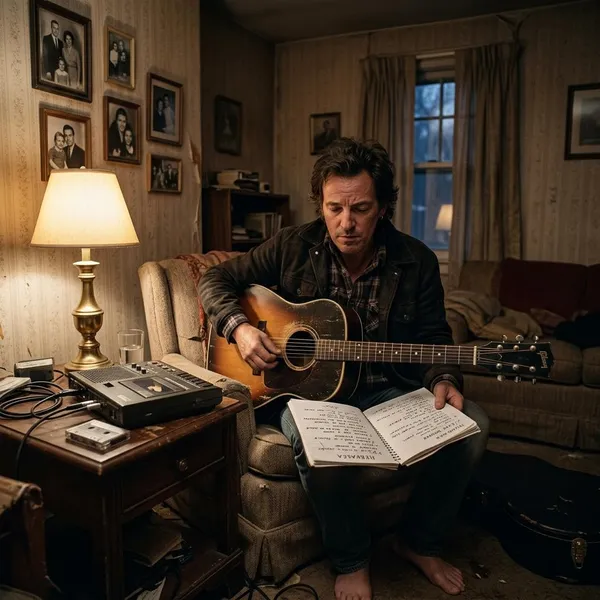
Deliver Me from Nowhere is based on real events around Springsteen and the making of Nebraska, but it should not be treated like a documentary. The trailer points to a historically grounded drama: real sessions, real people, and a researched source, shaped into scenes with dramatic focus.
The real 1982 Nebraska sessions
The 1982 Nebraska sessions give the movie its backbone. The album's stripped-down sound and unusual place in Springsteen's career already carry the kind of tension a film needs: a major artist moving toward something smaller, bleaker, and harder to explain commercially.
The trailer seems to understand that the recording process is not just trivia. It is the practical setting where Springsteen's private instincts become a public artistic choice.
Warren Zanes's book as the source
The film draws on Warren Zanes's book about Springsteen and Nebraska, which is a good sign for viewers who are wary of broad, checklist-style biopics. A source focused on one album naturally pushes the movie toward detail instead of racing through decades.
Real people from Springsteen's life
Jon Landau, Douglas Springsteen, Mike Batlan, and other figures shown or referenced in the trailer connect the drama to actual relationships. That matters because the film is not only asking what Springsteen recorded; it is asking who was around him, who shaped him, and who made the pressure feel real.
A viewer does not need to recognize every name before watching. The trailer gives each person a readable role, which is more helpful than dropping famous names for recognition alone.
Dramatized moments built around real events
Some scenes will almost certainly be compressed, arranged, or written for dramatic clarity. That is normal for a feature film based on real events, especially when the source material includes private conversations, memory, and emotional interpretation.
The useful boundary is this: expect a drama rooted in the Nebraska story, not a scene-by-scene historical record. If the film keeps the tone as restrained as the trailer, the dramatization may serve the truth of the period rather than distract from it.
Conclusion
The trailer makes Springsteen: Deliver Me from Nowhere look most promising when viewed as a focused character drama, not a full Bruce Springsteen biography. If you want concert spectacle, this may be quieter than expected; if you are interested in why Nebraska still feels so raw and unusual, the preview gives you a clear reason to pay attention.