If you searched for the actors from X-Men, the easiest split is between Marvel's new mutant lineup and the Fox movie cast that made the characters famous. The big names most fans compare first are Jean Grey, Cyclops, Professor X, Storm, Rogue, Wolverine, Magneto, Mystique, and Emma Frost. For the new film, the main thing to watch is not only who plays each role, but whether Marvel gives the team enough room to feel like an ensemble instead of another Wolverine-centered story.
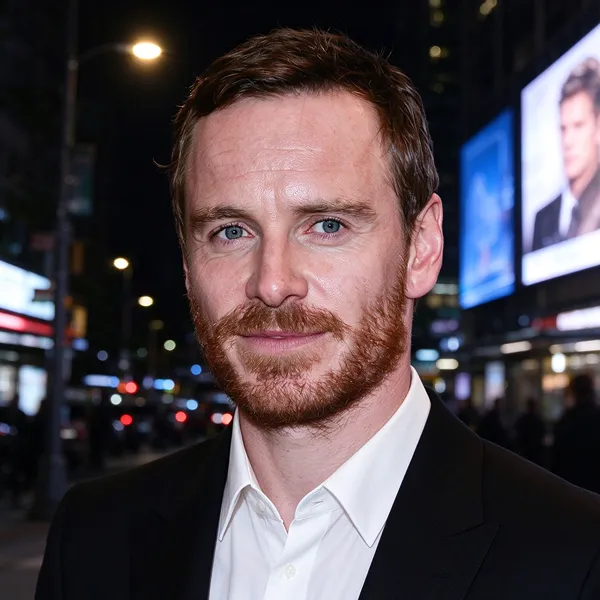
Confirmed cast of the new X-Men movie
The new X-Men cast is being watched closely because these roles come with heavy fan memory. A casual viewer may only want to know "who plays who," while a longtime X-Men fan is usually checking something sharper: whether Cyclops finally gets to lead, whether Storm has real authority, and whether Jean Grey is developed before any Phoenix-level storyline takes over.
For quick reference, these are the key names in the approved new lineup:
- Sadie Sink as Jean Grey
- Kit Connor as Cyclops
- Christopher Abbott as Professor X
- Samara Weaving as Emma Frost
- Maya Boyd as Storm
- Inde Navarrette as Rogue
- Adam Driver as Mister Sinister
Sadie Sink as Jean Grey
Sadie Sink as Jean Grey makes sense if Marvel wants a younger Jean who can grow over several films. Jean needs warmth and control on the surface, with enough intensity underneath to make her power feel both beautiful and dangerous.
The mistake to avoid with Jean is rushing straight to the biggest crisis version of the character. If Sink is allowed to play Jean first as a gifted but pressured young mutant, any darker turn later will feel earned instead of familiar.
Kit Connor as Cyclops
Kit Connor as Cyclops is one of the more important choices for the shape of the team. Scott Summers should not feel like a background boyfriend or a stiff rule-follower; he needs to come across as the person others might actually follow when everything goes wrong.
- Best-case version: Cyclops becomes the tactical center of the group.
- Weak version: he is present, serious, and technically correct, but never drives the story.
Christopher Abbott as Professor X
Christopher Abbott gives Professor X the chance to feel less polished and more complicated. Charles Xavier is not only the wise man in the chair; he is also someone making difficult choices about young mutants, secrecy, safety, and power.
That matters for viewers who already know Patrick Stewart's version. A new Xavier does not need to sound more noble than Stewart. He needs a different angle, especially if the school and the X-Men are still being built.
Samara Weaving as Emma Frost
Samara Weaving as Emma Frost could be one of the most fun casting choices if the script lets Emma do more than look stylish. Emma should feel sharp, strategic, and hard to trust completely.
For a casual MCU viewer, the simple read is that Emma can work as an antagonist, ally, or both. For comic fans, the real test is whether she influences the story instead of becoming a glamorous side character with a few icy lines.
Maya Boyd as Storm
Maya Boyd as Storm carries a different kind of pressure because Ororo Munroe should feel powerful before she even uses her powers. Storm is at her best when she has calm authority, not just weather effects.
If Marvel gives her leadership moments, this version could immediately feel different from earlier films where Storm was recognizable but often not central enough.
Inde Navarrette as Rogue
Inde Navarrette as Rogue gives Marvel a chance to show both sides of the character: the pain of being unable to touch people safely and the toughness that makes Rogue more than a tragic figure.
That distinction is important. If the film only plays Rogue as lonely, it repeats part of the Fox version. If it also gives her confidence, humor, and physical presence, the character can feel closer to the version many comic readers expected for years.
Adam Driver as Mister Sinister
Adam Driver as Mister Sinister points toward a villain who could last beyond one movie. Mister Sinister works best as a manipulator: calm, clinical, and interested in mutant genetics in a way that makes the heroes feel studied rather than simply attacked.
Driver does not need the role to be loud to make it unsettling. The stronger choice would be a villain who seems patient enough to be planning two steps ahead of both the X-Men and the audience.
Famous actors from past X-Men movies
The Fox-era X-Men movies are uneven, but their casting left a huge mark. If someone says "the old X-Men actors," they usually mean the performers who made these characters recognizable to mainstream moviegoers before the MCU had its own mutant team.
Hugh Jackman as Wolverine
Hugh Jackman remains the actor most closely tied to Wolverine. His Logan worked because he was not only violent and intimidating; he was funny, wounded, loyal, and visibly tired of being used as a weapon.
That is why any future Wolverine casting will be judged harshly. The new actor does not just need claws and attitude. He needs to make Logan feel like a damaged person first and a superhero second.
Patrick Stewart as Professor X
Patrick Stewart made Professor X feel instantly credible. His voice, restraint, and presence gave Charles Xavier the weight of a teacher, idealist, and moral leader.
Stewart's version is the classic screen Xavier for many fans because he made hope sound disciplined rather than sentimental. That is a hard standard for any new actor to follow.
Ian McKellen as Magneto
Ian McKellen's Magneto worked because he never felt like a simple villain. He played Erik Lehnsherr as proud, wounded, intelligent, and frighteningly convinced that history had already proved him right.
His scenes with Patrick Stewart gave the early films their strongest dramatic spine. Their conflict was not just good versus evil; it was a painful argument between two men who understood each other too well.
Halle Berry as Storm
Halle Berry brought star power and visibility to Storm, even when the films did not always give Ororo enough to do. She made the character graceful and composed, which helped Storm stand out despite limited focus.
The useful takeaway for the reboot is simple: Storm should not be treated as background power support. When the character is written with real command, the actor has much more to play than weather spectacle.
Famke Janssen as Jean Grey
Famke Janssen gave Jean Grey a mature, serious quality in the original trilogy. Her Jean felt intelligent, compassionate, and quietly burdened even before the darker Phoenix material became central.
Even when the films divided fans, Janssen helped sell the tragedy of Jean's power becoming too much to contain. That emotional weight is the part a new version should respect, even if the story takes a slower path.
James Marsden as Cyclops
James Marsden looked and felt right as Cyclops, but the films rarely treated Scott Summers like the team's true field leader. His performance had discipline and credibility; the scripts simply did not give him enough room.
That makes Cyclops one of the clearest reboot opportunities. A new version does not have to erase Marsden's take. It only needs to give Scott the leadership material that was missing before.
Anna Paquin as Rogue
Anna Paquin made Rogue one of the most emotionally accessible characters in the early films. Her version focused on fear, isolation, and the everyday pain of being unable to touch someone safely.
For viewers new to X-Men, that was a smart entry point. For comic fans, it was also incomplete, because Rogue can be much bolder and more physically powerful than the films allowed.
Rebecca Romijn as Mystique
Rebecca Romijn's Mystique was memorable because of physical presence more than dialogue. The blue makeup, controlled movement, and silent danger made her one of the most visually distinct characters in the original films.
Her version is a good reminder that superhero casting is not only about speeches. Sometimes posture, movement, and stillness do more for a character than another explanation of their backstory.
How the new X-Men cast compares with past actors
The smartest way to compare new and past X-Men actors is not to ask who "wins" immediately. Reboots need time. A single casting choice can look promising on paper, but the real test is whether the writing gives that actor the right version of the character to play.
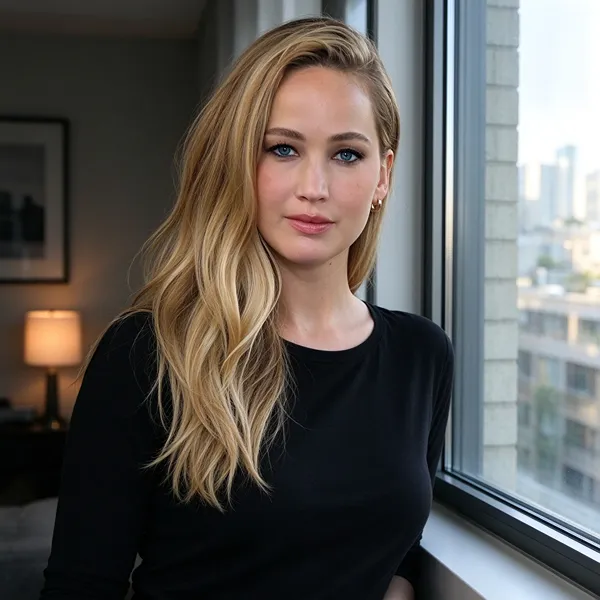
Sadie Sink follows Famke Janssen and Sophie Turner as Jean Grey
Sadie Sink follows Famke Janssen and Sophie Turner in a role that has often been pushed toward tragedy quickly. Janssen played Jean with adult seriousness, while Turner's version leaned younger and more unstable.
Sink's advantage could be timing. If Marvel lets Jean develop across more than one story before making her the center of a huge power crisis, the role can feel less rushed and more personal.
Inde Navarrette follows Anna Paquin as Rogue
Inde Navarrette follows Anna Paquin, but Rogue does not have to be played the same way. Paquin's version made the character's isolation easy to understand; a new version can keep that pain while adding more confidence and force.
That would help Rogue feel less like someone the story protects and more like someone who changes the outcome herself.
Samara Weaving follows January Jones as Emma Frost
Samara Weaving follows January Jones, who played Emma Frost in X-Men: First Class. That earlier version had the look and attitude, but the film did not give Emma enough depth or control over the plot.
Weaving has a chance to make Emma sharper and more active. The key is letting her make decisions that matter, whether she starts as an opponent, ally, or something more slippery between the two.
Conclusion
The most interesting thing about the new X-Men cast is not whether the actors look exactly like older versions, but whether they get better character material. The Fox films gave fans several unforgettable performances, especially from Hugh Jackman, Patrick Stewart, and Ian McKellen, but the reboot has room to make Jean, Cyclops, Storm, Rogue, and Emma Frost feel more balanced as a team. If Marvel gets that balance right, these actors can be compared to the past without being trapped by it.